What a Dirty AC System Actually Looks Like Inside
Most homeowners don't think about their AC until it stops keeping up. The problem is, by the time you notice - warm air, longer run times, higher electric bills - the system has usually been struggling for a while. And when we open things up, this is exactly what we find.
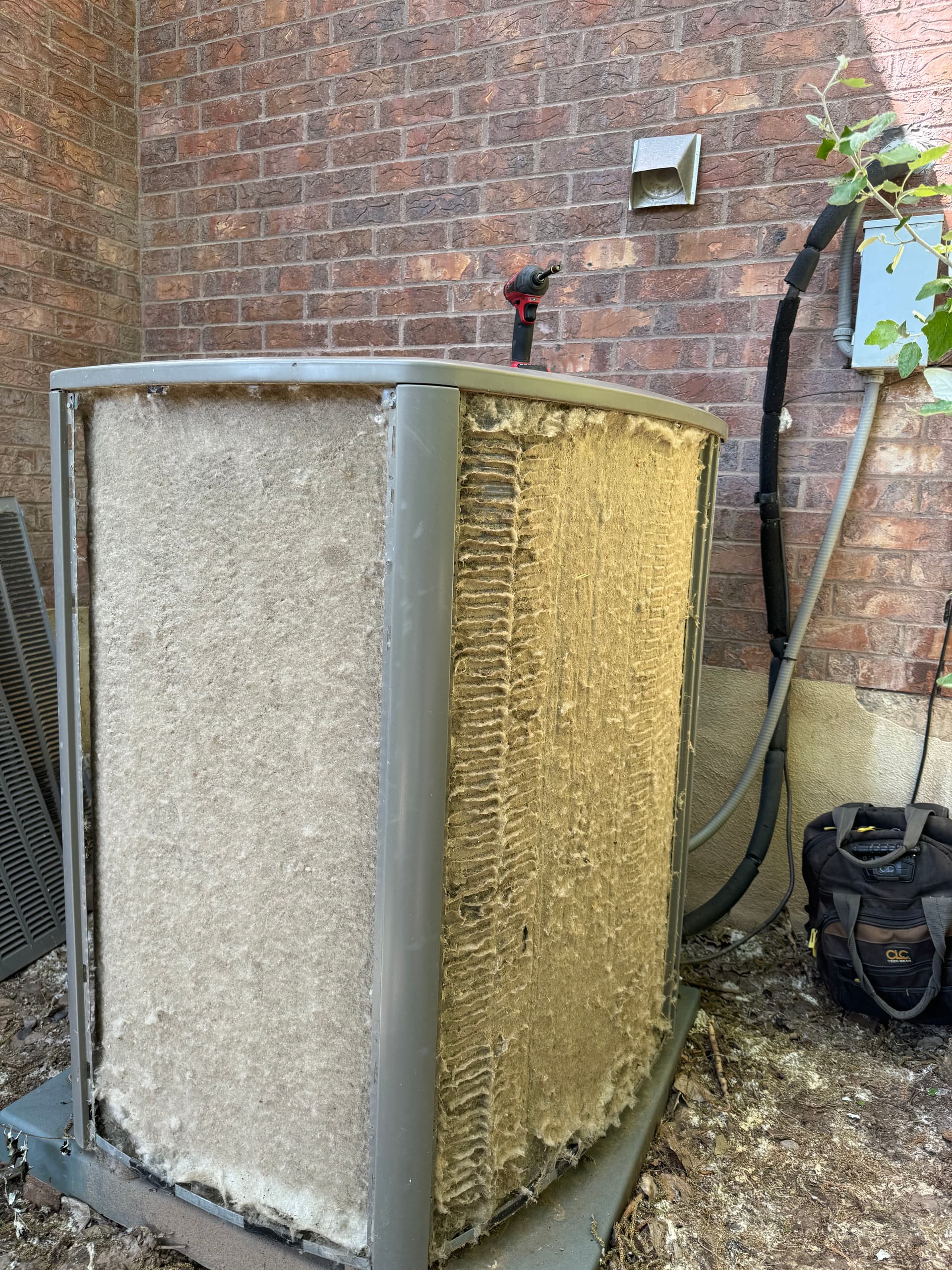
The condenser coil outside gets hit first. Dust, cottonwood, debris - it all packs into those fins over time and cuts off airflow. When that coil can't release heat properly, the whole system has to work harder just to maintain temperature. A thorough condenser coil cleaning is one of the single most impactful things you can do for efficiency during summer.
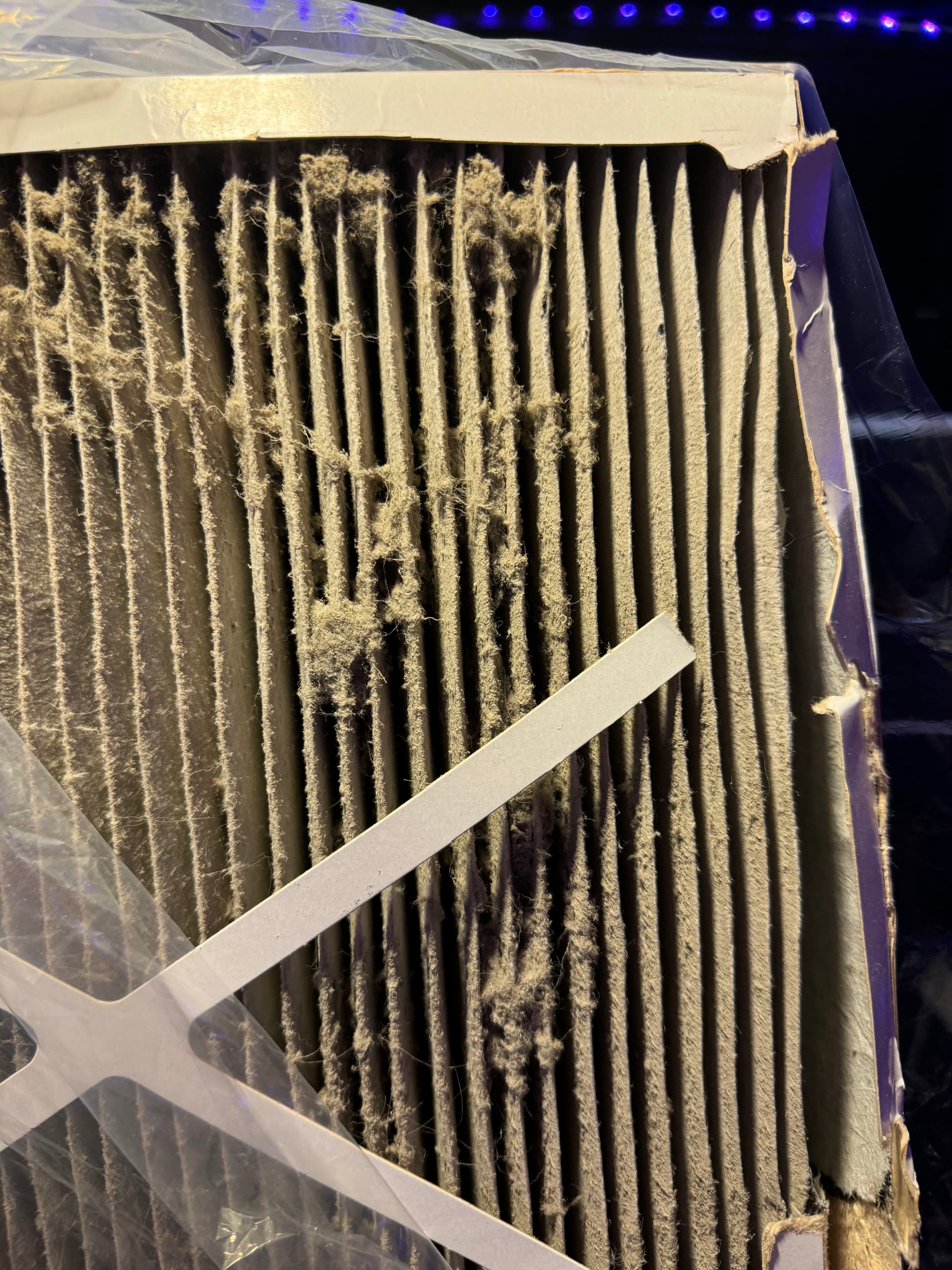
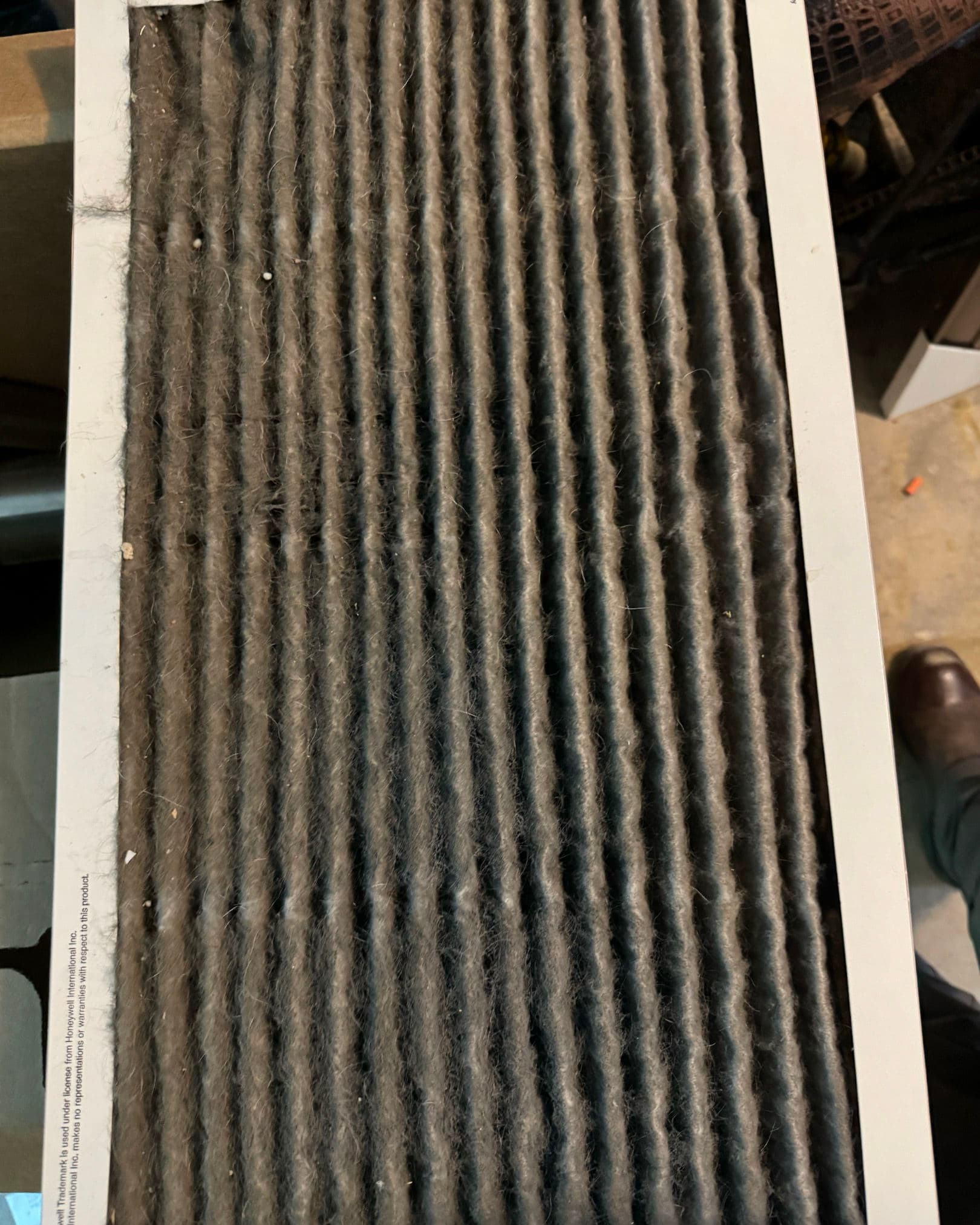
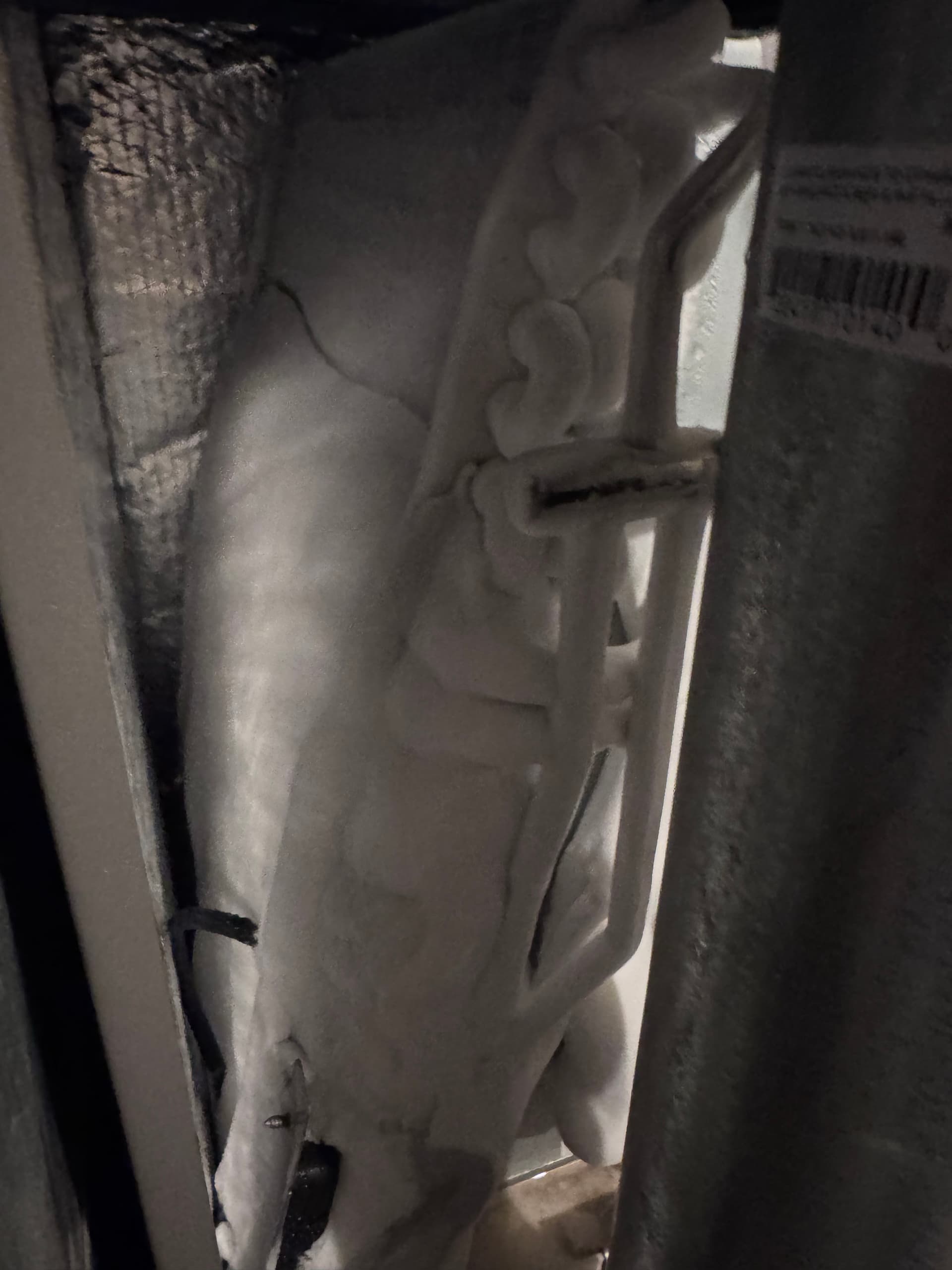
Then there's the filter situation. A completely clogged air filter doesn't just hurt air quality - it starves the system of the airflow it needs to function. Restricted airflow leads directly to a frozen evaporator coil, and a frozen coil leads to zero cooling. That's exactly what we're showing here with the solid ice buildup on the evaporator. The system essentially choked itself out.
A proper HVAC tune-up catches all of this before it turns into an emergency call on the hottest day of the year. We clean both coils, check refrigerant levels, inspect electrical components, and make sure airflow is where it needs to be. It's straightforward work, but the difference it makes in how well your system runs is hard to overstate.
Dirty filters, clogged coils, frozen evaporators - none of this is unusual. We see it constantly. The good news is it's all fixable with routine maintenance, and catching it early is always cheaper than dealing with a full breakdown.